
Physiology First Cycling Coaching: How Masters Athletes Over 65 Master High-Intensity Training in the VQ Velocity Studio
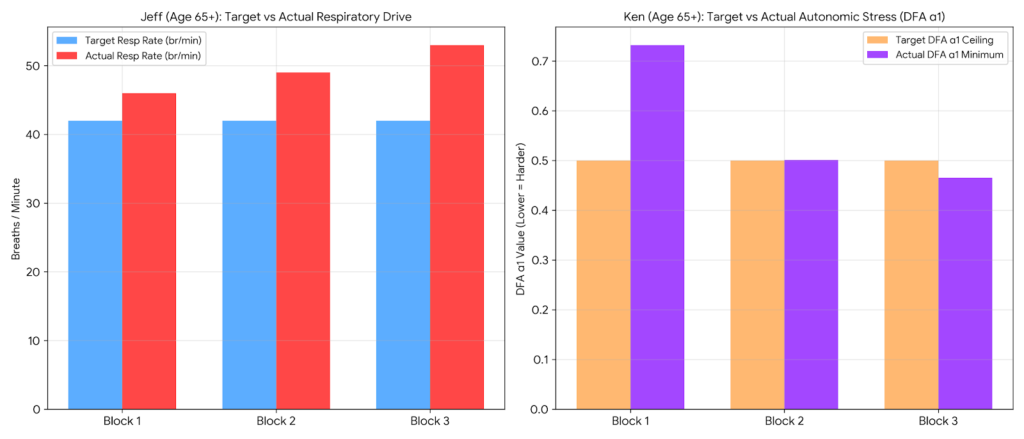
Age is Just a Number: How Two Masters Athletes Over 65 Master ‘Physiology First’ in the VQ Velocity Virtual Studio There is a pervasive myth in cycling that once an athlete crosses age 65, high-intensity training becomes too risky or unproductive. The popular narrative suggests older cyclists should stick strictly to low-intensity cruising. However, by […]
Breaking the Plateau: How Step-Up Intervals Unlock Deep Vo2 Kinetics
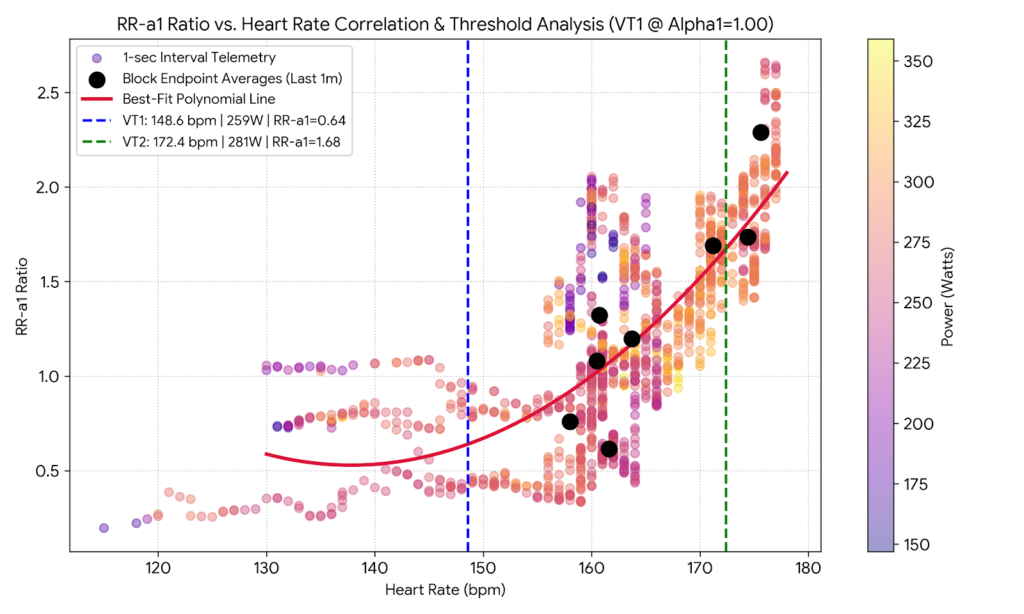
Breaking the Plateau: How Step-Up VO2 Max Intervals Unlock Deep Oxygen Kinetics By Richard Wharton | OnlineBikeCoach.com Executing step-up VO2 max intervals is one of the most effective strategies I use to drive time near maximal oxygen uptake without causing premature neuromuscular exhaustion. Standard flat-power VO2 max sets often result in either a slow […]
Trust Your Physiology First: Real-Time VO2max Pacing with AlphaHRV and Moxy
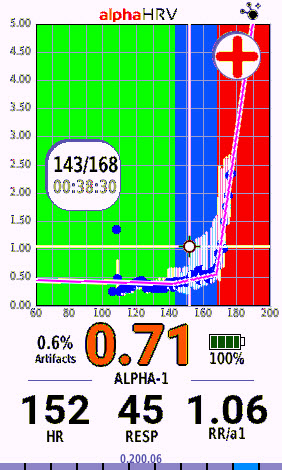
Trust Your Physiology First: Real-Time VO2max Pacing with AlphaHRV and Moxy By Coach Richard Wharton | Published: September 4, 2026 | Online Bike Coach AlphaHRV Vo2Max Training allows athletes to bypass static, pre-set heart rate zones and monitor live autonomic stress as it happens on the bike. Every morning we clip into the pedals, our […]
Real-Time Decompensation: Decoupling and the Anatomy of My Failed Workout
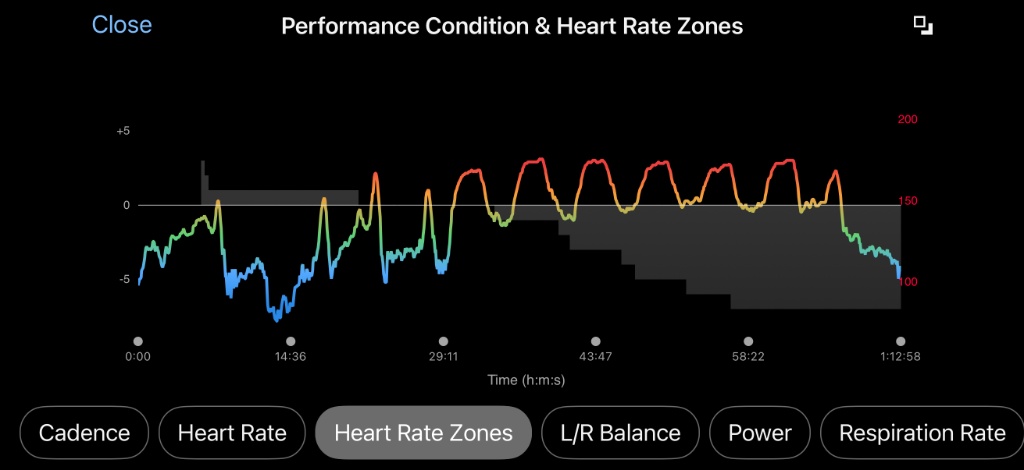
Every endurance athlete knows the feeling of hitting a wall, but few can see it coming down the track with mathematical precision, which is why monitoring your Garmin Performance Condition is so vital during hard blocks. Yesterday, I set out to complete a critical high-intensity maintenance block: 7×3-minute VO2max intervals targeting north of 270 watts. […]
Cracking the Code: My Physiology First Tabata VO2 Max Deep Dive
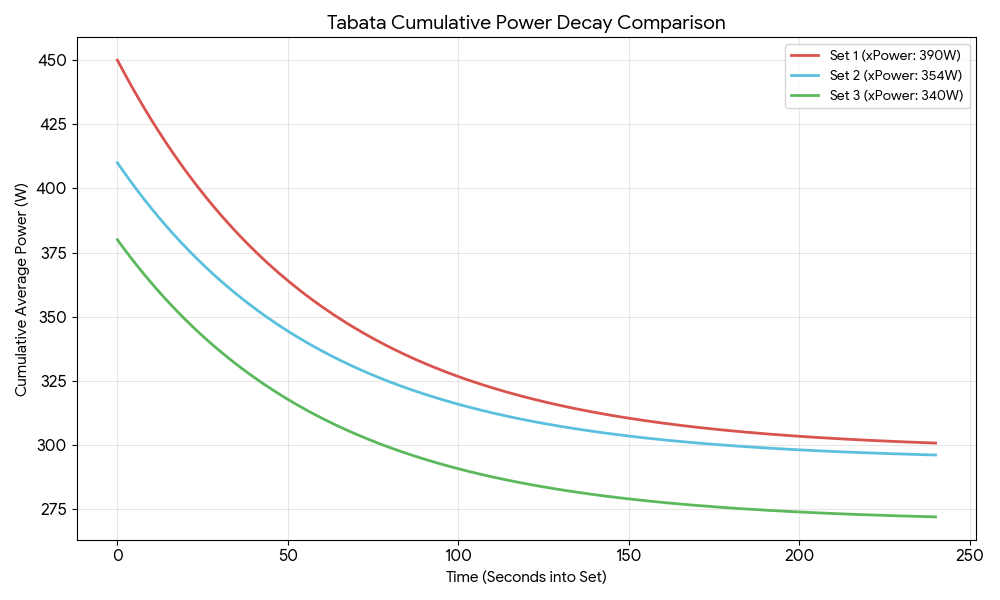
Cracking the Code: My Physiology and the Tabata Triple Threat Preface: The Metabolic Green Light vs. The CNS Red Light Before I even turned a pedal, the data was already telling a nuanced story. I woke up with a solid 83 sleep score and a body battery that recharged to 85—clear signals that my recovery […]
The Anatomy of a Good Ride; Physiology, Recovery, and the Portola Block
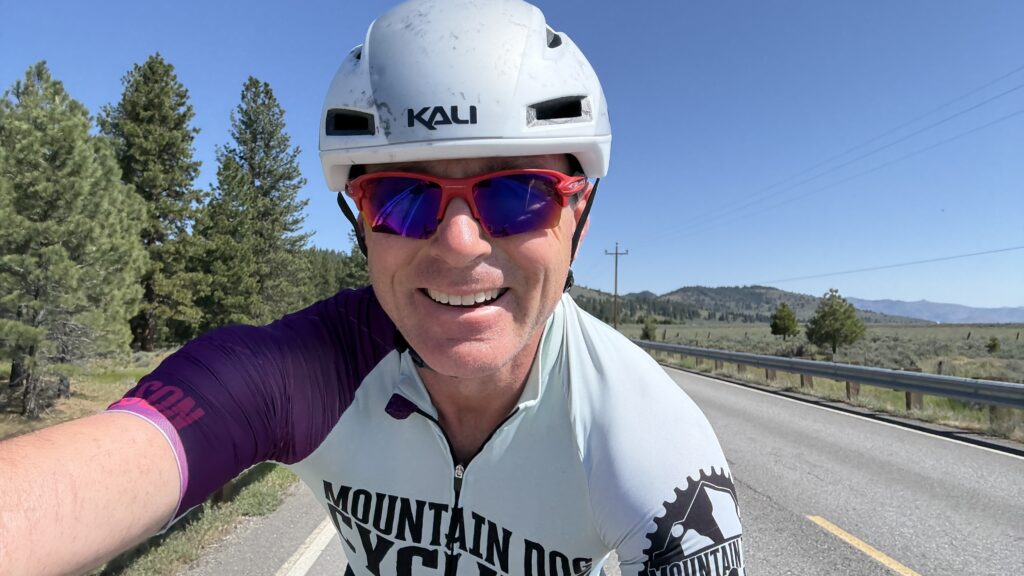
The Anatomy of a Good Ride: Physiology, Recovery, and the Portola Block I’ve always said that success on the bike isn’t a roll of the dice; it’s a deliberate convergence of external work and internal readiness. This week, I conducted a deep cycling physiology analysis of the Portola block to prove how disciplined recovery yields […]
Why Your “Free” Garmin Metrics are More Accurate Than You Realize
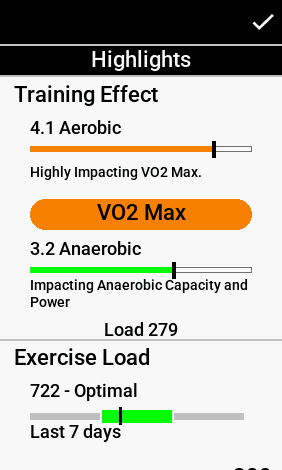
Why Your “Free” Garmin Metrics are More Accurate Than You Realize When athletes ask about Garmin VO2 Max accuracy, they are usually skeptical about whether a consumer wearable can truly measure the high-octane reality of a 15-15 interval set. On paper, today’s session was a classic builder—two sets of 15-minute micro-intervals—but as a physiology-first coach, […]
Billat 30-30 Physiology: Using SmO2 and ThB to Identify True VO2max Stimulus
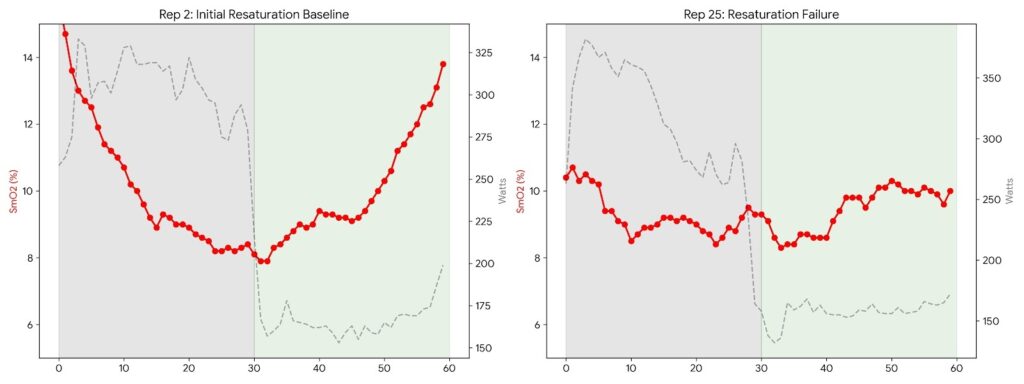
Billat 30-30 Physiology: Why Garmin Stamina Contradicts the SmO2 Test By Coach Wharton April 29, 2026 Billat 30-30 Physiology is a foundational concept in high-intensity training, typically involving 30 seconds of maximal aerobic power followed by 30 seconds of active recovery. The goal is simple on paper—spend as much time as possible at VO2max intensity. […]
Garmin Guru Deep Dive: Decoding the Internal Response to 4-Minute VO2max Intervals
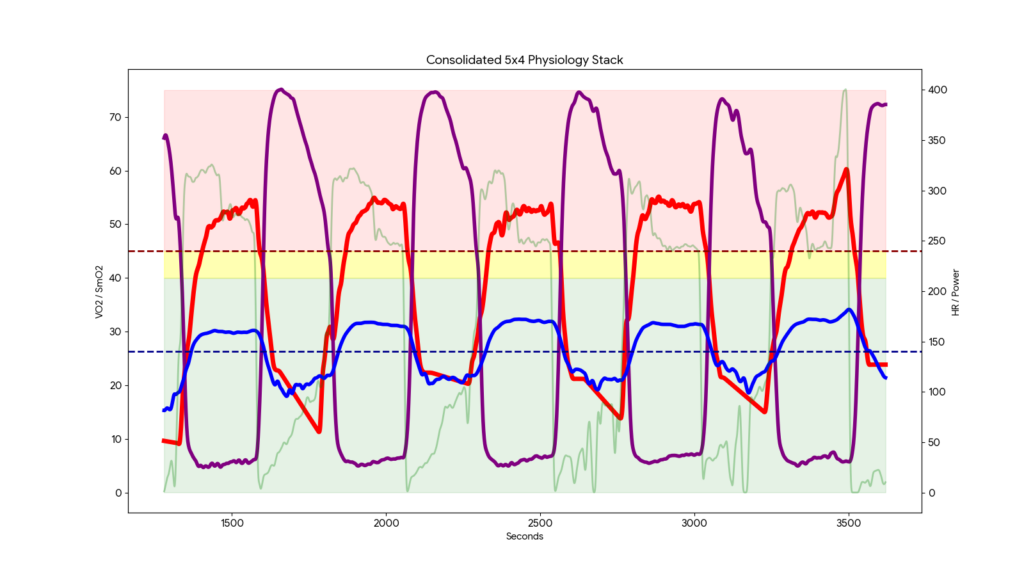
Garmin Guru Deep Dive: Decoding the Internal Response to 4-Minute VO2max Intervals Today’s session of 4-minute VO2max intervals was a masterclass in why I lead with physiology, not physics. As the Garmin Guru at Online Bike Coach, I’m constantly looking for the “truth” behind the numbers. Today, that truth was found in gas exchange and […]
Decoding the Flux: How the Reverse Fibonacci Protocol Re-Maps Your Threshold
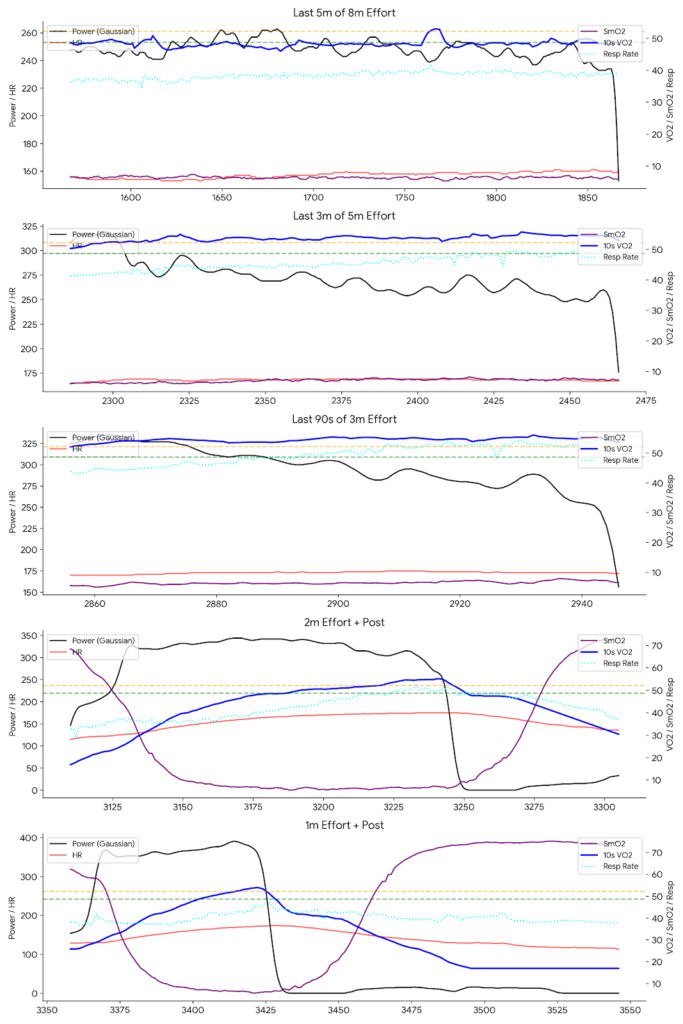
Beyond the Score The Garmin Guru Series | Decoding the Fast-Adapter | By OnlineBikeCoach.com Programming Reverse Fibonacci intervals is the ultimate way to shatter the lie of the “Static Zone” in high-performance cycling. We move past the idea that a single FTP test or a heart rate formula from a 1980s textbook is […]