
The Dissociation of the Internal and External Relays: Why a ‘Physiology First’ Approach Rules Ronnestad Intervals
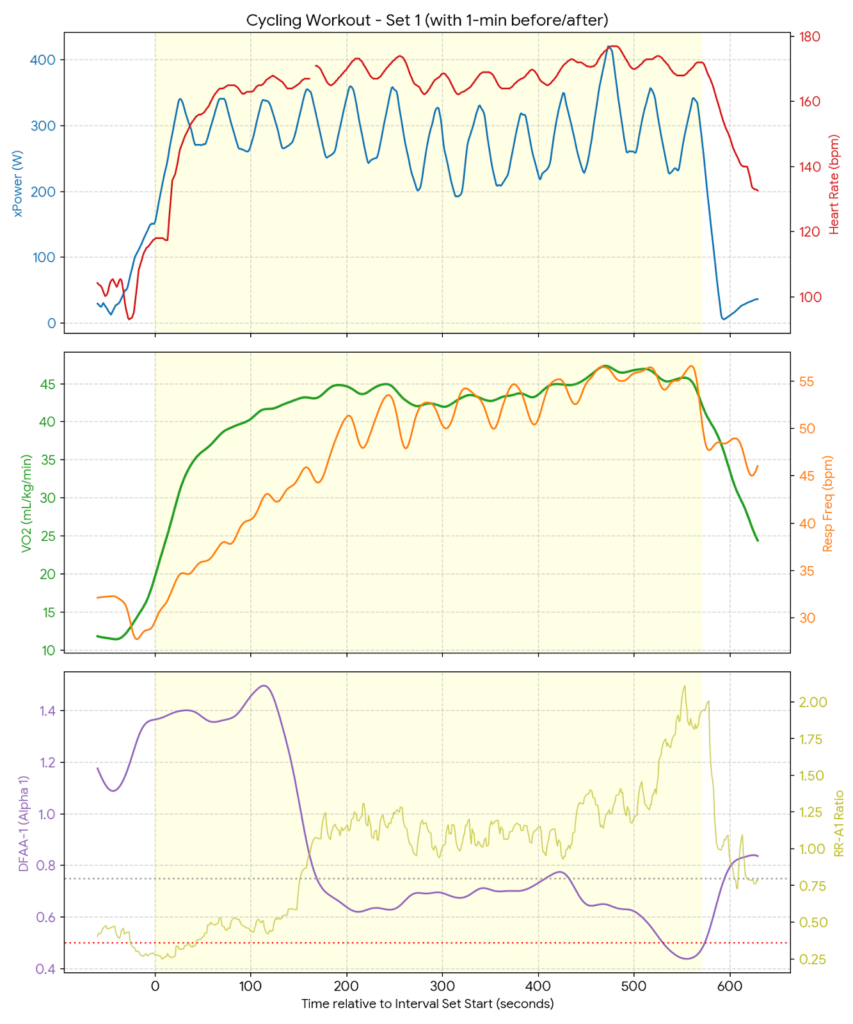
The Dissociation of the Internal and External Relays: Why a ‘Physiology First’ Approach Rules Ronnestad Intervals By Richard Wharton | Onlinebikecoach.com As coaches and hard-charging endurance athletes, we often fall into a trap. Specifically, we let external metrics dictate our training success. For example, we program an interval at a static target wattage. Next, we […]
The Power Illusion: Why Your Suspension Setup and HRV Dictate Real Speed
Chasing Ghosts on Peavine: The Ecology of Speed By Coach Richard Wharton • May 27, 2026 Heading out from the Peavine Mountain Hoge Road Trailhead to collect raw biometric and suspension telemetry across the Halo Loop. Part 1: Physiology-First Cycling Training, the Weight, and the Climb Metrics It has been months since I last pointed […]
Cracking the Code: My Physiology First Tabata VO2 Max Deep Dive
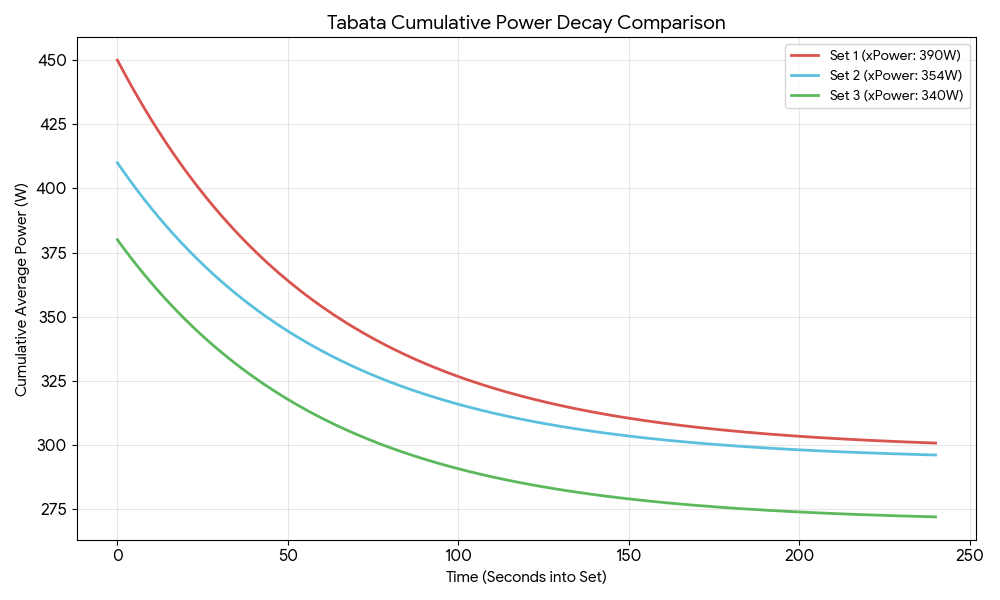
Cracking the Code: My Physiology and the Tabata Triple Threat Preface: The Metabolic Green Light vs. The CNS Red Light Before I even turned a pedal, the data was already telling a nuanced story. I woke up with a solid 83 sleep score and a body battery that recharged to 85—clear signals that my recovery […]
The Anatomy of a Good Ride; Physiology, Recovery, and the Portola Block
The Anatomy of a Good Ride: Physiology, Recovery, and the Portola Block I’ve always said that success on the bike isn’t a roll of the dice; it’s a deliberate convergence of external work and internal readiness. This week, I conducted a deep cycling physiology analysis of the Portola block to prove how disciplined recovery yields […]
Stamina, Speed, Strength, and Skill – 4 Spokes With a Hub called “Consistency”.
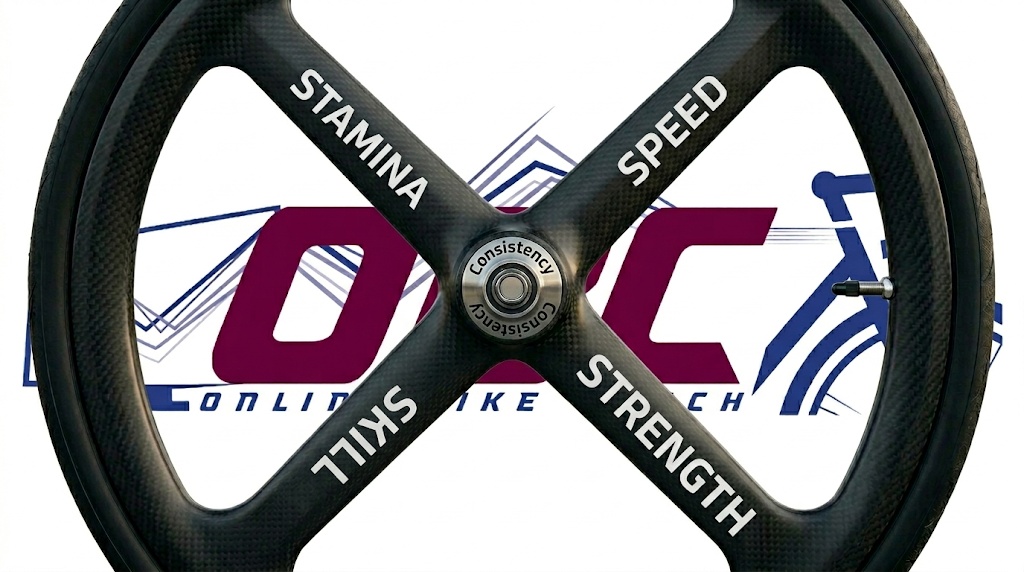
Cycling Stamina and Strength: The S4 Framework Building elite cycling stamina and strength is the foundation of the S4 performance framework used by high-performance athletes.In the world of professional cycling, we often get distracted by the latest gear or chasing the highest wattage. But at its core, your performance is a wheel supported by four […]
The Garmin Daily Double Dip: A Stamina and Potential Deep Dive
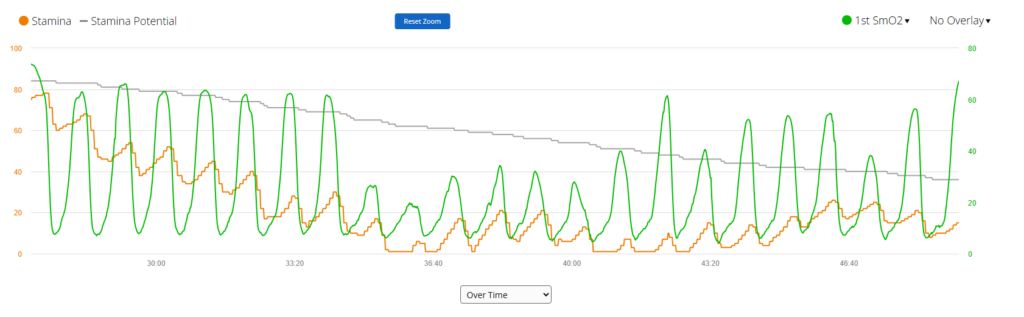
The Garmin Daily Double Dip: A Stamina and Potential Deep Dive Coach Wharton – May 7, 2026 Understanding Garmin Stamina metrics like Actual Stamina and Stamina Potential has fundamentally changed the way we analyze real-time capacity and athletic recovery. While Potential represents your total “fuel tank” for the entire ride, Actual Stamina reflects what you […]
Rocky Terrain Suspension Efficiency: The Open vs. Locked Debate

May 7, 2026 Rocky Terrain Suspension Efficiency: The Open vs. Locked Debate; A Peavine Challenge In November 2025, I conducted a “Physiology First” experiment on Reno’s Peavine Mountain to analyze rocky terrain suspension efficiency. This ride has since become the archetype and benchmark for my 2026 training season. The mission was simple: Two laps on […]
Why Your “Free” Garmin Metrics are More Accurate Than You Realize
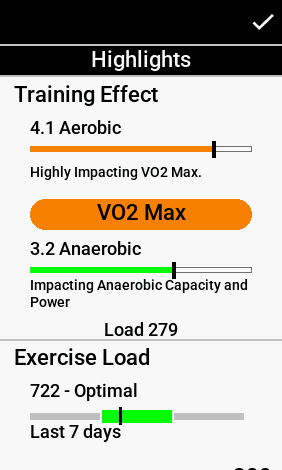
Why Your “Free” Garmin Metrics are More Accurate Than You Realize When athletes ask about Garmin VO2 Max accuracy, they are usually skeptical about whether a consumer wearable can truly measure the high-octane reality of a 15-15 interval set. On paper, today’s session was a classic builder—two sets of 15-minute micro-intervals—but as a physiology-first coach, […]
Life Stress is Training Stress: Navigating the 52-Hour Recovery Debt
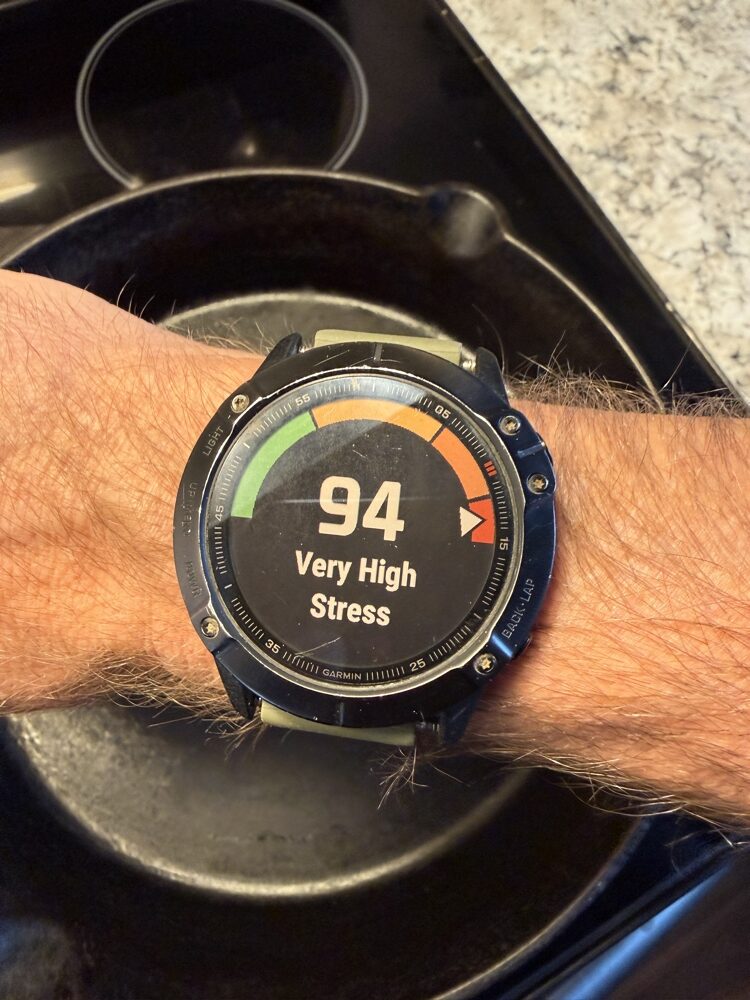
Garmin Recovery Metrics: When “Life Stress” Becomes a Physiological Debt Coach Richard Wharton Published: May 11, 2026 Understanding your Garmin recovery metrics is the only way to stay objective when non-training stress starts to bleed into your performance. Following our May 5th deep-dive into what those orange bars actually mean during sleep, today I’m showing […]
Billat 30-30 Physiology: Using SmO2 and ThB to Identify True VO2max Stimulus
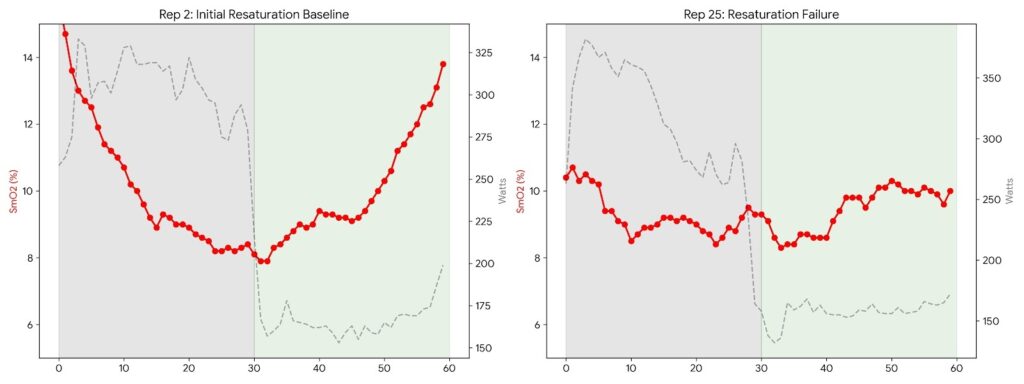
Billat 30-30 Physiology: Why Garmin Stamina Contradicts the SmO2 Test By Coach Wharton April 29, 2026 Billat 30-30 Physiology is a foundational concept in high-intensity training, typically involving 30 seconds of maximal aerobic power followed by 30 seconds of active recovery. The goal is simple on paper—spend as much time as possible at VO2max intensity. […]