Garmin HRV Stress Balance: When Life Gets in the Way
My training, recovery, and daily decisions start with Garmin HRV Stress Balance. I love the fantasy version of training: ride hard, lift heavy, eat clean, sleep eight hours, repeat. And with all the data my Garmin wearables give me — especially my older Garmin Fenix 6 — it’s easy to imagine that if I just follow the numbers perfectly, everything will line up.
But real life doesn’t care about perfect Garmin charts.
Garmin HRV Stress Balance and a Night on the Couch
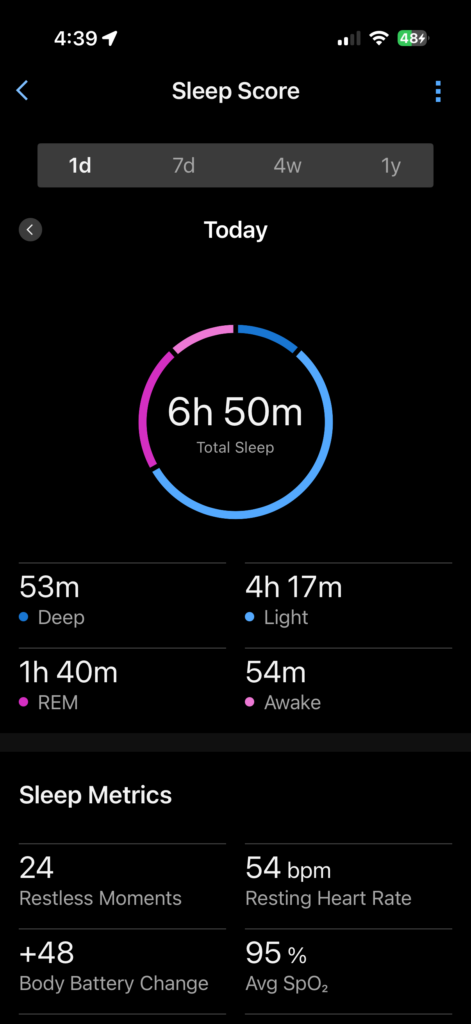
I didn’t sleep in my bed. I slept on the couch, pinned between both of my dogs and a guest dog named Cooper. Three dogs. One human. One couch. No REM cycle stands a chance.
And that’s before we even get to work stress, family stress, and the general noise of life. So when I opened Garmin Connect this morning, the data didn’t surprise me — but it did tell the truth.
What My Garmin HRV Stress Balance Data Actually Said
- Sleep Score: Decent duration, but not deeply restorative
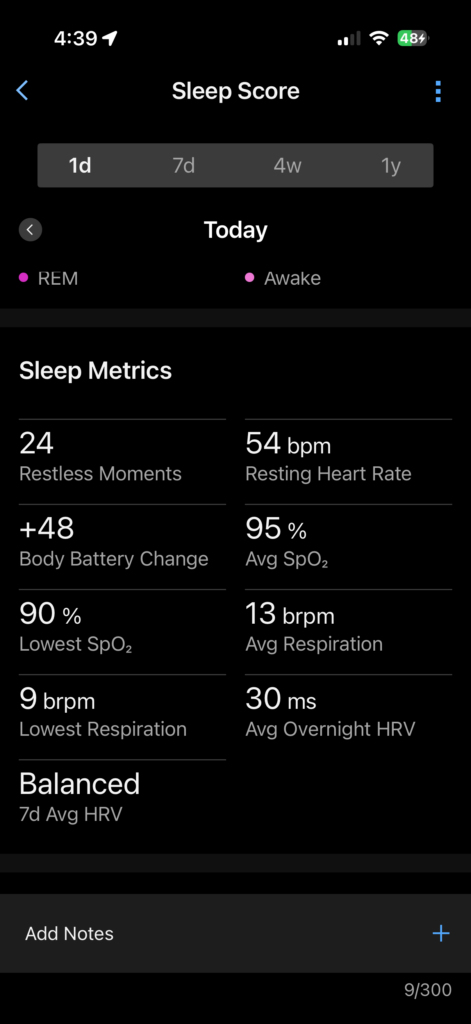
- Garmin HRV Stress: 61 — higher than my normal range
- Body Battery: Up, but not fully recharged
- Restless Moments: Higher than usual (thanks, dogs)
- Overnight HRV: “Balanced,” but not trending upward
If I looked at the sleep score alone, I might think, “I’m fine.” But Garmin Connect makes something obvious:
Recovery isn’t one metric. It’s a mosaic.
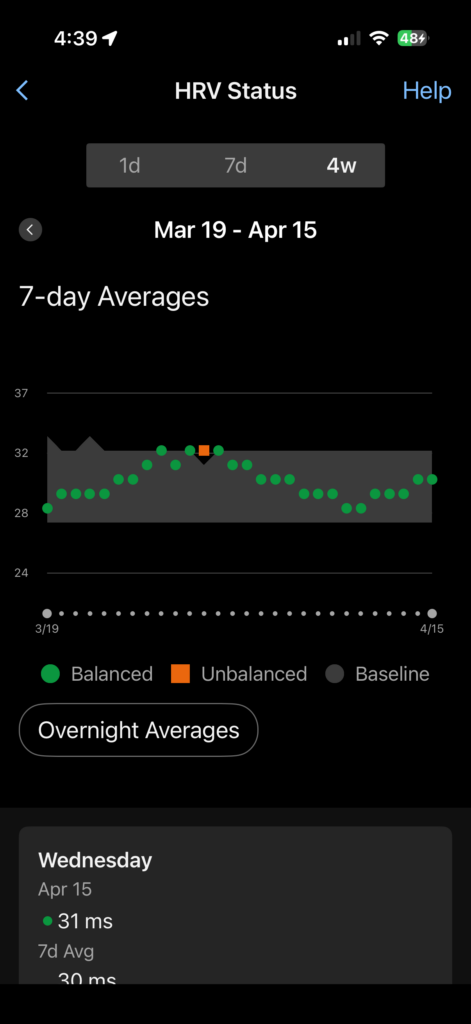
I can do everything “right” and still wake up under-recovered because life happened.
The key isn’t perfection. The key is balance.
Balance means adjusting my plan without guilt.
Balance means honoring the stress I didn’t choose.
Balance means training with the body I have today — not the one I wish I had.
My Garmin Fenix 6 doesn’t judge me. It just reflects the reality I’m living.
My Morning Routine Using Garmin HRV Stress Balance
Every morning, before I even think about training, I sit down with my Garmin Fenix 6 and open Garmin Connect. This is my non-negotiable routine. I don’t guess how I slept. I don’t guess how stressed I am. I don’t guess whether I should push, hold steady, or back off.
I let the data tell me the truth.
- My Sleep Score
- My Garmin HRV Stress Balance
- My Overnight HRV
- My Body Battery
- My Training Load
- My Respiration
- My Resting HR
- My Stress Timeline
This is the routine I teach inside my VQ Velocity Virtual Studio.
This is the routine I write about on OnlineBikeCoach.com.
This is the routine that keeps me consistent.
If you want to learn more about HRV, check out my article on how to run a Garmin HRV Stress Test.
Or dive deeper into performance with my guide on VO₂max intervals.
My Training Plan for Today (Based on Garmin HRV Stress Balance)
Low-Aerobic Builder (Recommended)
Ride:
45–60 minutes
Zone 1–low Zone 2
Relaxed cadence, easy breathing
Keep HR below my aerobic threshold
Mobility + Strength Maintenance
20–25 minutes of light strength work and 10–15 minutes of mobility.
Full Recovery Day
Walk, hydrate, eat real food, breathe, and go to bed early.
Bottom Line
I’m not failing when life gets in the way. I’m succeeding when I adapt to it.
My Garmin wearables aren’t telling me to stop. They’re telling me to train smart today so I can train hard tomorrow.
If you want to experience coaching that works with YOUR schedule, needs, conflicts, and goals, I provide that. I have created a unique, hybridized system that combines the Garmin Connect Ecosystem with the VQ Velocity online group fitness platform. You’ll get LIVE CLASSES, 5 or 6 days a week, with FULL ACCESS to replays and on-demand classes when you can’t attend the regular sessions. This provides immediate feedback and individualized adjustments to help YOU get the most out of your day.