Garmin Recovery Time: Why Your Watch Beats Your Power Meter
How the Ecosystem Tracks Garmin Recovery Time
Powered by Firstbeat Analytics, the Garmin Recovery Time metric is a predictive model designed to quantify the disruption of homeostasis. Its primary input is EPOC (Excess Post-exercise Oxygen Consumption), or “oxygen debt.”
While the timer tracks metabolic cost, it often misses the “Mechanical Load” of manual labor. However, if you are wearing a Garmin watch, the ecosystem captures this through 24/7 monitoring of all-day stress and hydration logging.
Why Garmin Recovery Time Needs HRV Context
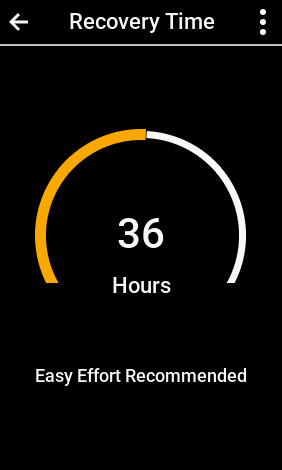
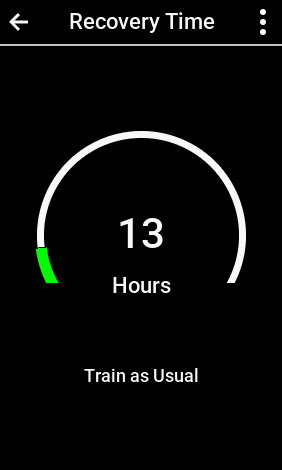
As you can see in the screenshots, my Garmin Recovery Time dropped from 36 hours to 13 hours overnight. On paper, the algorithm said “Train as Usual.”
But the Garmin Guru knows that without the following watch-based metrics, that number is dangerous:
| Watch Metric | My Result | Physiological Reality |
|---|---|---|
| Sleep Score | 67 | Sub-par restoration. The body was repairing labor damage. |
| HRV Stress | 68 | High stress. The nervous system was stuck in “fight or flight” mode. |
The Verdict: Trusting the Physiology
Even though the primary Garmin Recovery Time suggested I could kit up, my HRV Stress of 68 was a red flag. I made the Physiology First choice: I bagged the workout. Adding intensity to a system already struggling to recover is the fastest way to overtraining.