This is what happens when I drink caffeine late at night and eat a late, heavy meal.
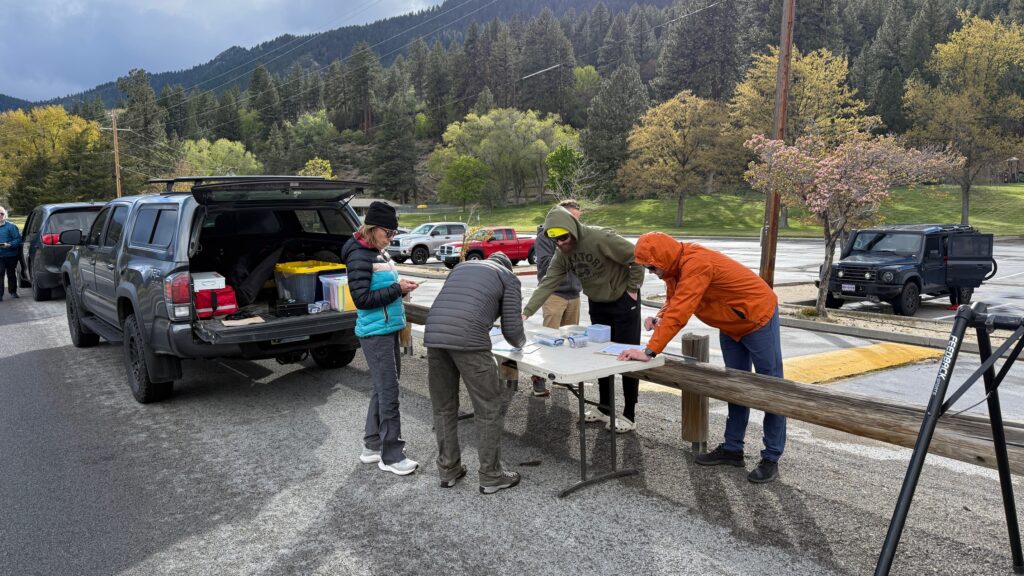
Hosting my first race as race director was a massive milestone, but doing it in the cold, misty trenches of a Nevada spring added a layer of “environmental tax” that a standard day just doesn’t have. When I factor in the 5×4’s VO2 session from Tuesday morning—which was a huge success—my body was already deep in a recovery hole before I took the first bite of that burger, leading to a significant spike in my Garmin recovery stress.
Here is the physiological post-mortem on why my Garmin stats look the way they do this morning.
1. My Race Director’s “Invisible” Garmin Recovery Stress
Being a race director isn’t just standing around; it’s high-frequency decision-making and sympathetic nervous system activation. This mental load directly influences your Heart Rate Variability and overall recovery trajectory.
- The Cold/Wind Factor: My body spent hours fighting to maintain core temperature in those misty and windy conditions. This is an energy-intensive process that kept my heart rate slightly elevated even after I got inside.
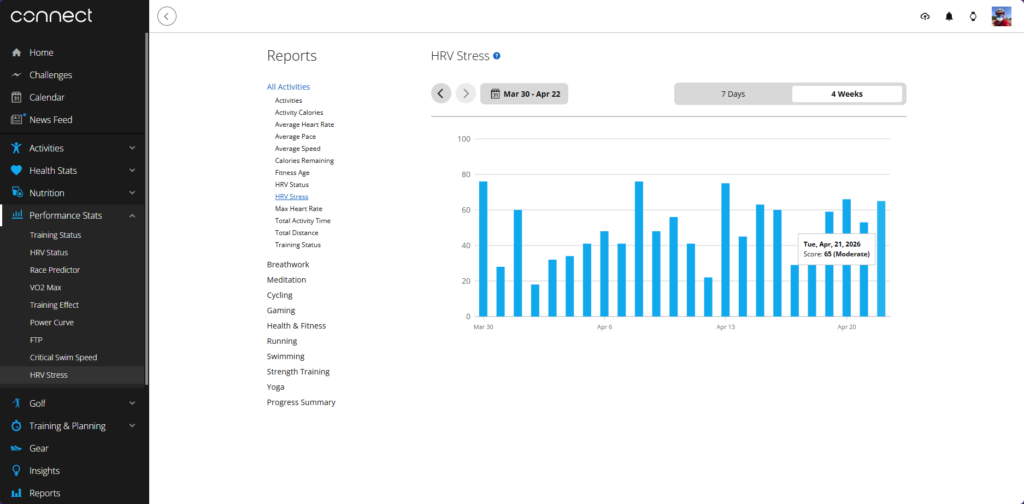
- The Garmin HRV Stress of 65: That reading is a loud signal. A score of 65 indicates my autonomic nervous system was heavily skewed toward “Fight or Flight” (Sympathetic) rather than “Rest and Digest” (Parasympathetic) before I even closed my eyes.
2. My “Metabolic Tsunami” at 8:00 PM
Eating a double cheeseburger and drinking 24 oz of Dr. Pepper at 8:00 PM created the perfect storm for my Garmin ecosystem to track. This meal choice is a prime example of how nutrition choices can negatively impact Garmin recovery stress overnight.
- The Sugar & Caffeine Spike: That 24 oz of Dr. Pepper delivered a massive glucose load and significant caffeine right as my natural melatonin should have been rising, which I can see reflected in my Garmin stress timeline.
- The Digestion Delay: High-fat, high-protein meals take much longer to process. While I was “sleeping,” my heart was pumping blood to my gut to handle the 8:00 PM intake, which explains my 22 average stress and the orange blocks on my timeline until nearly 1:00 AM.
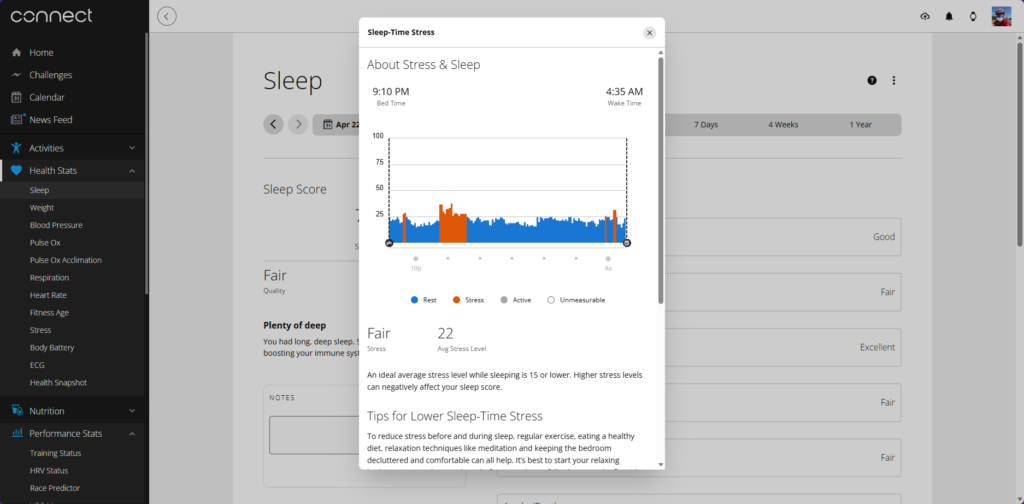
3. The Garmin Body Battery “Short-Circuit”
Because my average stress was 22, my Garmin Body Battery failed to rebound adequately. As we often discuss in our Physiology First coaching sessions, the recovery phase is where the actual fitness gains from a VO2 workout are realized.
- My Garmin typically only recharges the Battery when stress levels are below 15. Since I spent a large portion of the night in the “Stress” (orange) or high “Rest” (blue) zones, the “charging” was incredibly sluggish.
- I woke up feeling like a phone that was plugged into a broken charger all night—I got some “juice,” but I’m nowhere near the 90-100% capacity I usually see in my Garmin Connect app after a successful VO2 block.
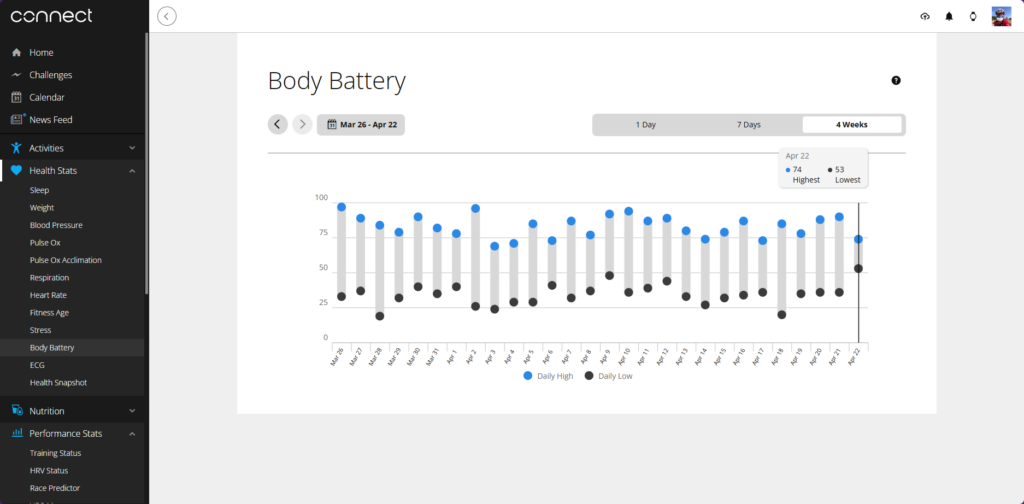
4. Analyzing the Garmin Recovery Stress After VO2 Efforts
Tuesday morning’s 5×4’s were a success, but successful VO2 max intervals are “expensive” sessions. Usually, the night after a big workout is when the most significant cellular repair happens. By layering the race director stress and the late-night meal on top of my VO2 recovery, I essentially “starved” my body of the high-quality rest it needed to consolidate those fitness gains within the Garmin training status model.
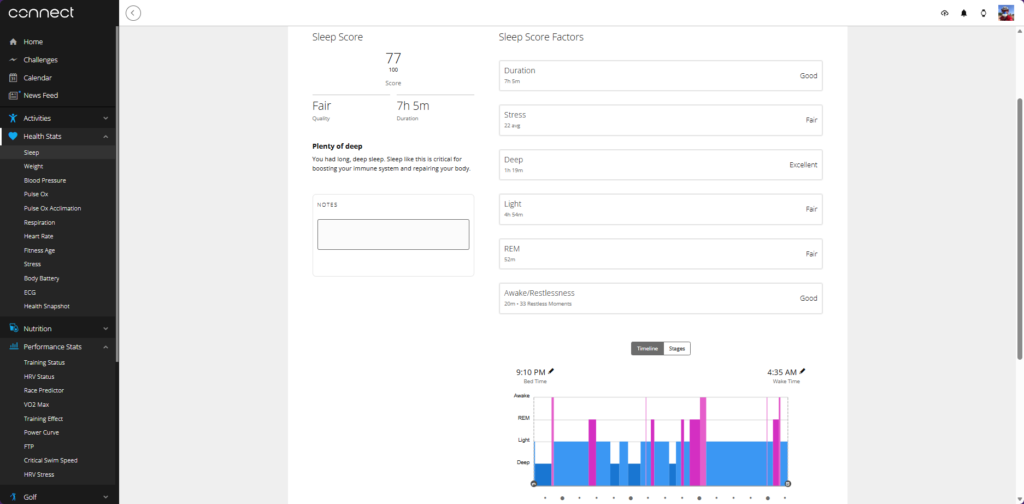
The Final Breakdown
| Input | Physiological Impact | Result on My Garmin Data |
|---|---|---|
| 5×4’s VO2 | High systemic fatigue / Inflammation | Lowered my HRV baseline (31ms). |
| Race Directing | Sympathetic drive / Cold exposure | My Garmin HRV Stress hit 65. |
| Double Cheeseburger | Heavy thermic effect of food | Elevated my overnight heart rate. |
| 24oz Dr. Pepper | Caffeine & Glucose spike | Suppressed my REM sleep (52m). |
| High Nightly Stress | Poor Parasympathetic recovery | Inadequate Body Battery rebound. |
Guru Insight: I essentially performed a “Physiological Stress Test” on myself. The fact that I still pulled a 77 Garmin Sleep Score is actually a testament to my underlying fitness. If I weren’t as trained, I would have likely seen a Sleep Score in the 40s and a “Strained” HRV status.
To help clear out some of this systemic congestion, I’m going to ride an easy Z1/Z2 effort to just move my legs before I take on the rest of the day and check my Garmin for recovery updates.