What is Garmin Sleep-Time
Stress?
Garmin calculates sleep-time stress using heart rate variability (HRV). While you sleep, your device tracks tiny fluctuations between heartbeats. When those fluctuations are high, your nervous system is relaxed and adaptable. When they’re low, your body is under physiological stress—even if you weree asleep the entire night.
That’s why Garmin sleep tracking focuses less on sleep stages and more on stress trends overnight. You can be unconscious and still under load. Hard training, late meals, alcohol, dehydration, psychological stress, or poor recovery habits can all elevate sleep-time stress even when total sleep duration looks solid.
This is where many athletes get confused. They see eight hours of sleep and assume recovery should be perfect. But the Garmin sleep stress chart often tells a very different story.
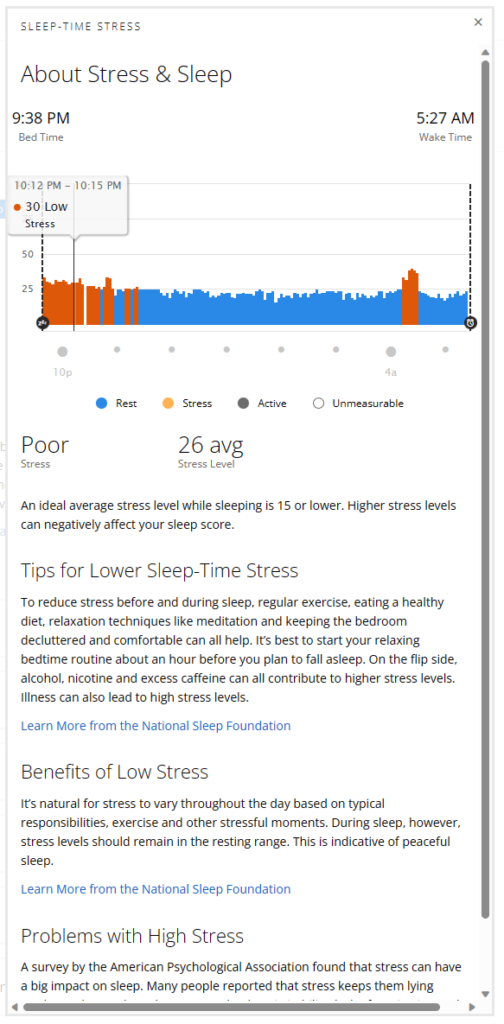
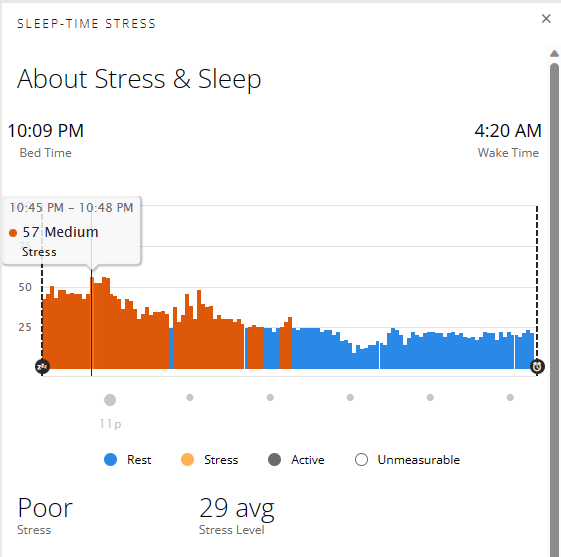
I just stumbled across a new chart on Garmin Connect, and I’m curious to know more about it. It’s the “Garmin Sleep-Time Stress” Chart, and I THINK it’s a metric that works with overnight HRV Status, to provide another window into sleep quality. If you own a Garmin watch with a NIRS and optical heart rate sensor, it provides another window into sleep. There’s very little information about it in Garmin’s own Forum or Wiki, and questions asked have not been answered by anyone at Garmin HQ in Kansas.
Garmin Sleep-Time Stress – Where to Find This Metric?
First, you need to have one of the more advanced Garmin watches, and you need to have heart monitoring turned on for overnight measurements. Then, using the online website account for connect.garmin.com, follow these pages:

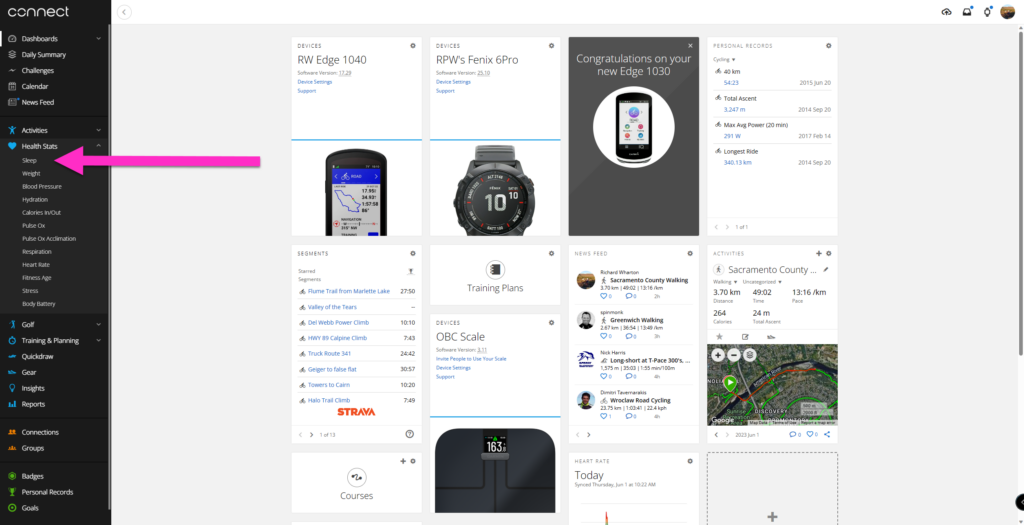
A new page will pop up. Click on ‘Sleep Score’, and then ‘Stress’.
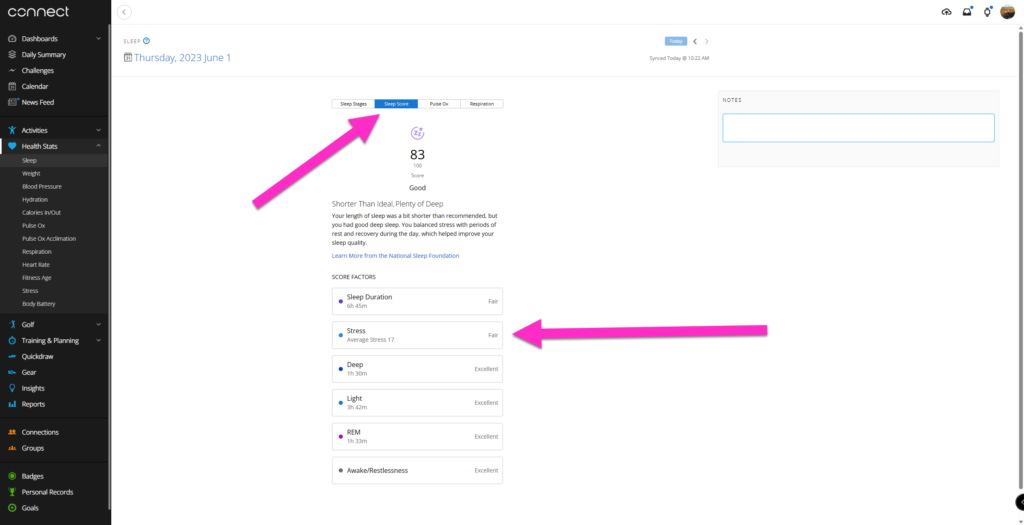
And finally…
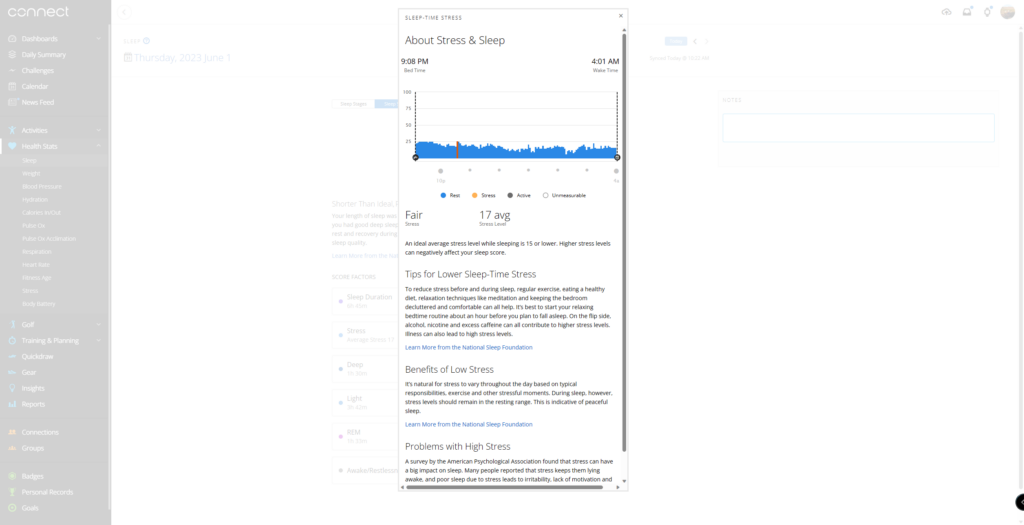
Several Garmin Sleep-Stress Charts for Comparison’s Sake
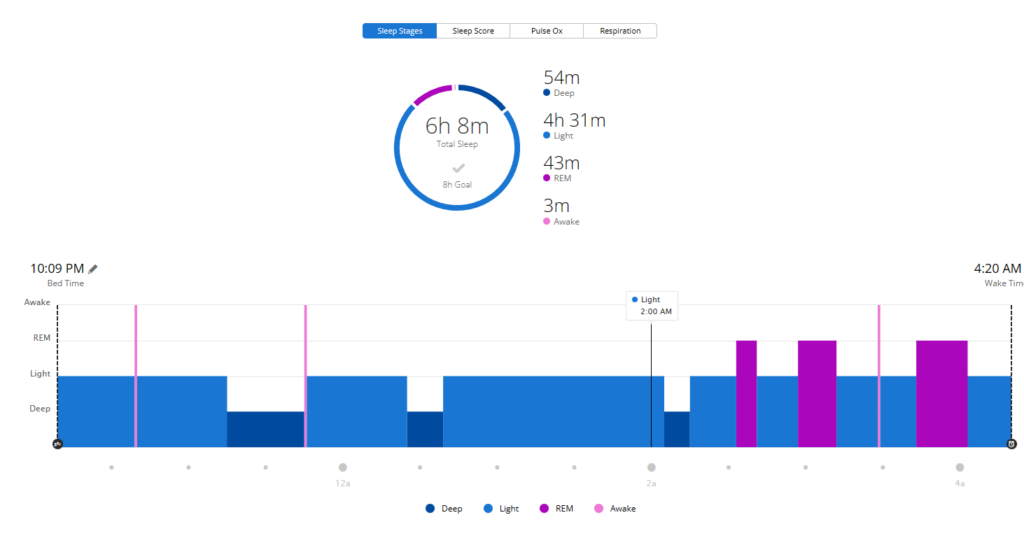
Here are a couple of charts of mine from this year. Looking at these charts for myself and my clients, two things stand out: Overnight stress usually declines as the night goes on, and it takes a special kind of night or individual to hit this ‘ideal’ (more like ‘mythical’) figure of ’15’.
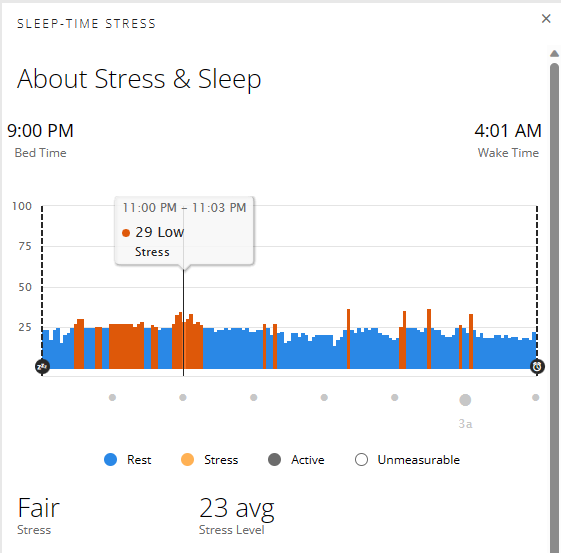
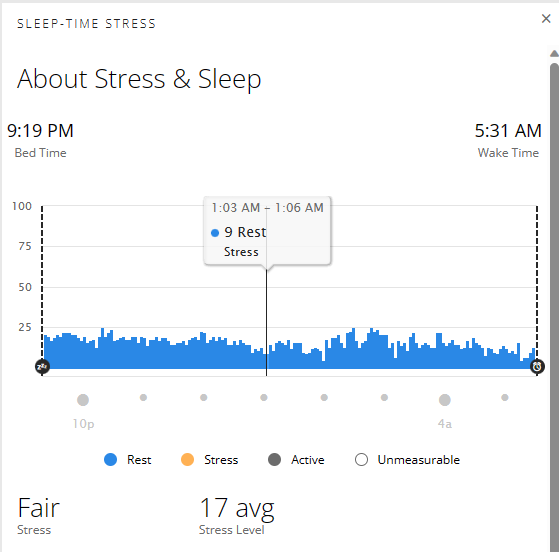
Once Again – Sleep Is A Critical Part of Training and Recovery
Garmin just recently peeled back the window on their collection of Meta-Data in the Garmin Connect Ecosystem. For those who may be upset about this, a couple of things; ALL of the platforms are doing this, and have been for a while. Furthermore, it’s more information than you can even think. Garmin though, honestly, I don’t think they have a handle on just what they’re presenting to the population. The stuff in Garmin Connect is GOLD, but I really think I’m one of the few people in the world who are actually using it and sharing this information. I’m the interpreter, and while I may be a Mad Scientist, I am definitely not a Real Scientist. That said, it’s all there.
I’m going to just stick my neck out and say it; if I could find a way to get consistent, deep, restorative sleep on a consistent basis, including medication, I would do it. I understand why a certain Pop Star might have felt desperate enough to employ an Anesthesiologist to ILLEGALLY aid him in sleep (which led to his death….) You’ve read the story about my Lunesta Sleepwalking episodes and how completely wrecked I was physically, after taking these meds. But I’ve done it all; I quit drinking, quit caffeine after 3pm, we have blackout shades, white noise, pink noise, a Muse S EEG forehead reader, fans on my body, cold rooms, weighted blankets, scheduled intimacy….. all of it. The results have been modest.
The few things I see that we can all do to get better sleep, and hence, better overall health and results from our exercise as cyclists and triathletes are these:
Drink more water. Stay away from Alcohol beyond one drink. Go to bed early. Regular intimacy before bed. Yes, I said that. Hump. Cold Rooms. Noise abatement. Blackout curtains or shades. White or pink noise. No distractions. No TV, late-night ball games, etc.
Garmin Sleep-Time Stress; let’s keep watching.
Most of my clients are now on Garmin Watches as well as Garmin Head Units. We’ll be looking at the data in private and together, to help glean just what is working, what isn’t working, and why. I’m not going to go all Puritan, but I’m going to watch that Sleep-Time Stress Chart and see where the balance point is, for myself, my clients, and you, my readers. I will also going to take a look at the ‘Breathwork‘ meditation app in the Garmin Fenix watch lineup, to see if that helps. I’m not a huge fan of meditation, but then again, it may be worth the effort.
Thanks for reading, and ENJOY THE RIDE!