Why HRV Stress is a Game Changer
Heart Rate Variability (HRV) is the literal rhythm of your readiness. While your power meter measures output, HRV measures the state of your Autonomic Nervous System. A high variability means you are recovered and ready; low variability means your body is under stress—whether from a hard 4×8 interval session, poor sleep, or even an oncoming cold.
The Triple-Check: My Daily Go/No-Go Protocol
I don’t just look at one number. I look at three specific metrics every morning to decide if I’m hitting the intervals or sticking to Zone 1/Zone 2 recovery.
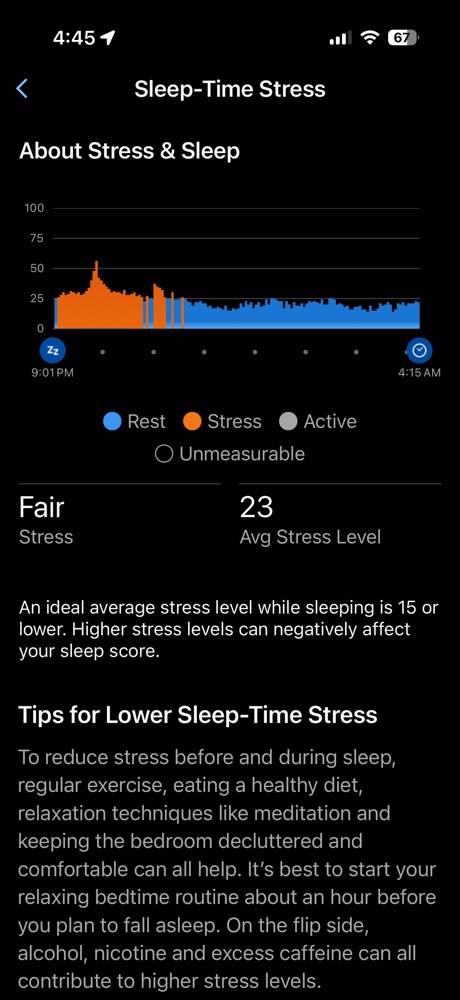
1. Overnight Sleep Stress & Score
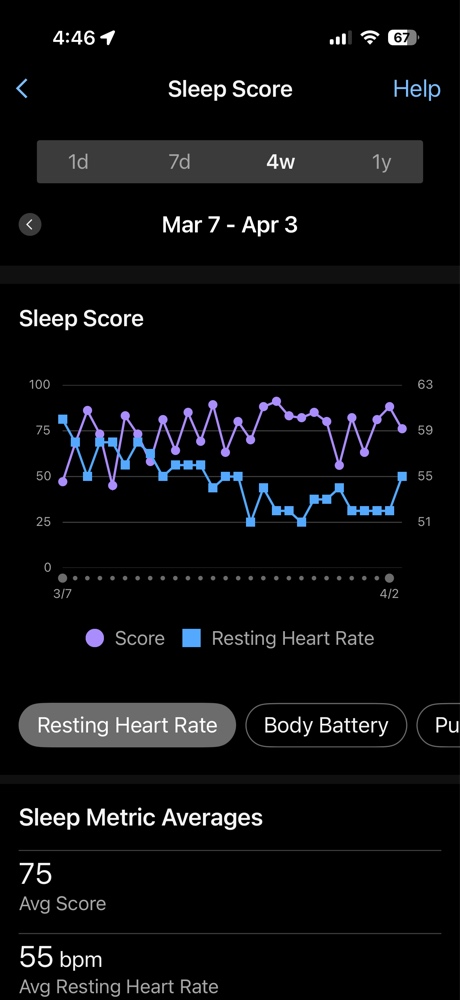
Don’t just look at the hours. Look at the Stress Timeline. If you see frequent orange spikes during your sleep, your body spent the night fighting to recover rather than actually repairing tissue. I’ve written a deep dive on how to interpret Garmin Sleep-Time Stress, which is the best way to understand why your numbers might be skewed before you even get out of bed.
2. Body Battery Recharge
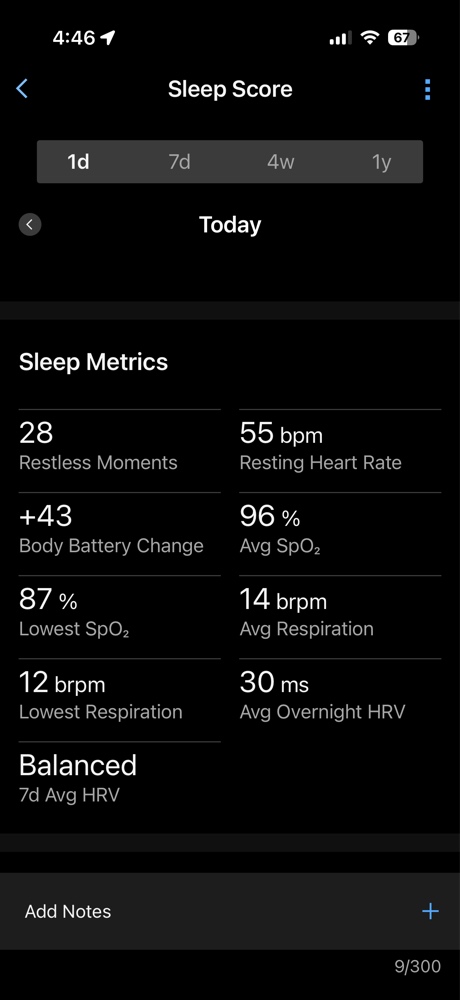
Think of this as your fuel tank. A “Go” signal is a recharge of +75 or more. If you only see a +40 recharge, you’re starting the day at half-capacity.
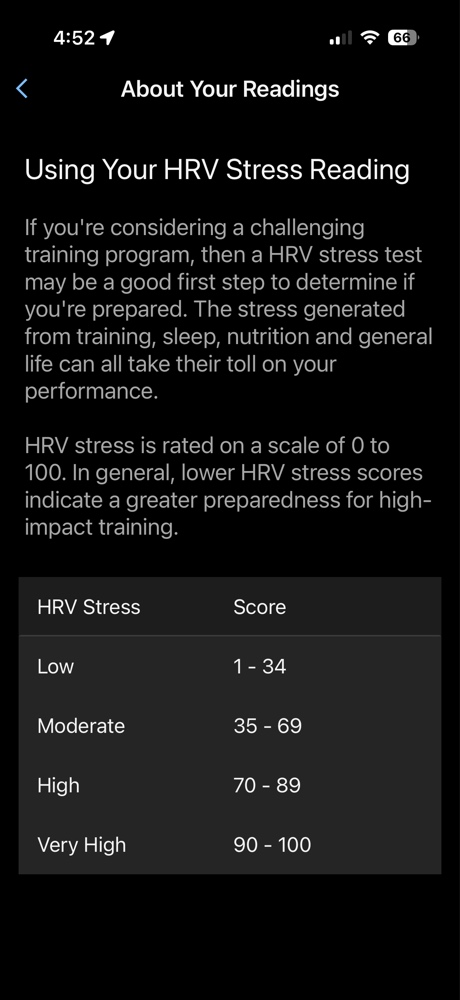
3. The Morning Garmin HRV Stress Test
This is the final confirmation. I perform a 3-minute standing test every morning before caffeine. It’s the “final gatekeeper” that validates what my overnight data is suggesting. While 24/7 tracking is convenient, independent research from the5krunner suggests that a controlled, stationary measurement is still the gold standard for getting an accurate physiological signal from consumer wearables.
Seeing it in Action
To get a reliable reading, you need a chest strap. I’ve recorded a quick walkthrough of how I run this test every morning before I even have my coffee. You can see the real-time variability and how the final score is generated on the Garmin 1040.
Check out my morning ritual for taking the HRV Stress Test consistently.
Does the Data Match Your Feelings?
Sometimes the data says one thing, but your legs say another. I’ve been exploring how these HRV updates sync with actual performance feelings and aerobic decoupling during rides. You can watch that deeper dive below:
The Bottom Line
Training isn’t just about the work you do on the bike; it’s about the work your body can absorb. If your HRV Stress is Moderate or High, swap that VO2 session for a recovery spin. Your future PRs depend on your ability to rest today.