
Xert and Texas Mountain Biking, Part One
If you follow these posts, you know that I recently installed a power meter on my mountain bike, and began using it to study the demands that mountain biking requires for fitness. I installed it just before a trip to Arkansas, where my wife and I rode the Womble Trail, and I have since ridden […]
ShockWiz Tuning – A Video Discussion
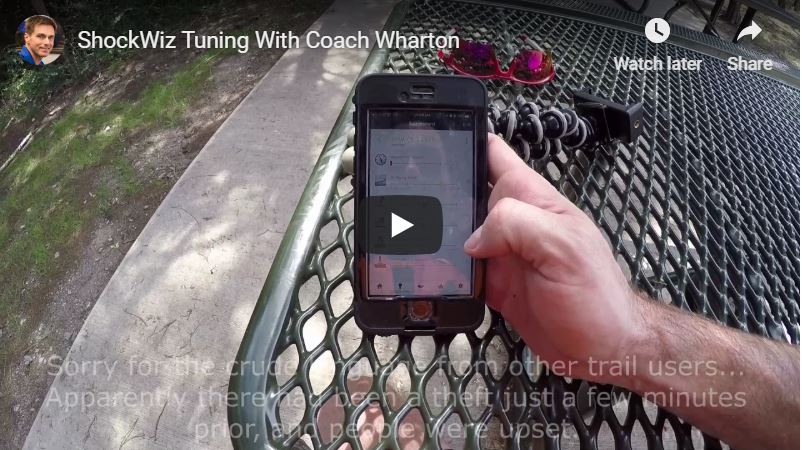
Here’s another video highlighting my experiences with the ShockWiz Tuning System for mountain bikes. This is a tougher trail, with more rock and twists and lips, and I’m convinced that I’ll be faster, and smoother, because of this investment.
OH yeah—6 watts difference on my average power between the first and second lap, led to a 2.5 minute improvement over 4.8 miles. THAT IS HUGE!
Xert and Texas Mountain Biking, Part Two
If you haven’t read Part One already, you can do so here. Basically, I’m trying to puzzle out why I was getting such different time splits for the same wattage outputs.
Now think about it; this was ONE LAP that I was doing OVER and OVER (6 times in 2 days). The temps were roughly the same, the time of day was more or less the same, and the suspension changes were pretty minimal – they probably didn’t affect the power output all that much. I believe the important lesson here is that, for myself and my North Texas clients, it’s probably important to set our Xert Profiles at “Pursuiter”, or even “Road Sprinter”, and really work on developing the ability to hit MULTIPLE, HIGHLY INTENSE, SHORT Intervals, over and over again. In many ways, it confirms what I suspected, with clients Randy Gibson, Jason Johnson, Patrick Moneymaker, and others. I had them on rollers, with high drag, and I had them attempt Tabatas, 15-15’s, and no more than 30-30’s, all pre-season, to build up their anaerobic capacity. They responded with State Cups and wins.
Read on for details, including how to build workouts that can produce the same kind of results for you.
Studying Suspension With the Shockwiz
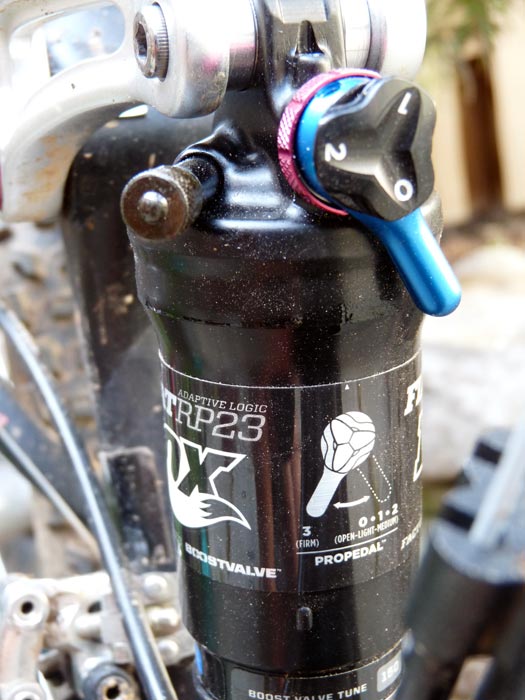 Air Pressure determines Sag and Compression, while the red ring sets rebound speed, and the black and blue dials help determine when the shock gets activated on bumps of different sizes.[/caption]
[caption id="attachment_914" align="aligncenter" width="768"]
Air Pressure determines Sag and Compression, while the red ring sets rebound speed, and the black and blue dials help determine when the shock gets activated on bumps of different sizes.[/caption]
[caption id="attachment_914" align="aligncenter" width="768"]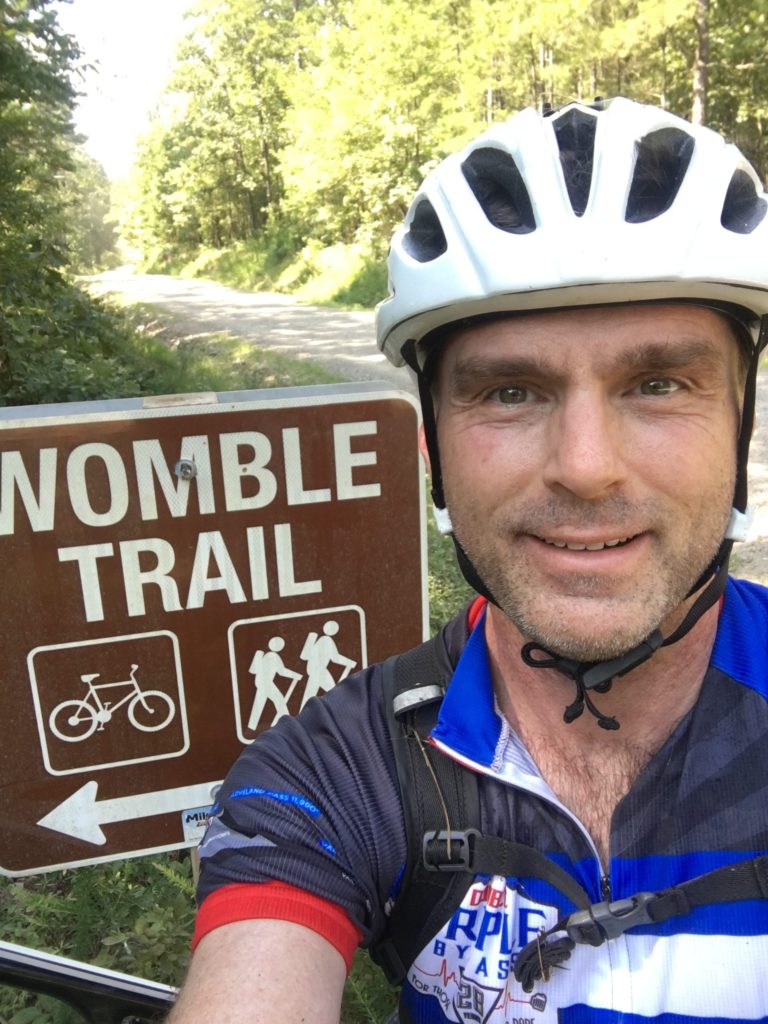 Coach Wharton using a ShockWiz and a Power2Max to study mtb suspension on the Womble Trail in Arkansas.[/caption]
Mountain biking; nothing makes me happier on a moment-to-moment basis than riding a mountain bike. Mountain biking is where I began cycling, and its’ challenges continue to push me every time a throw a leg over and head down the trail. Mountain biking is fun, it’s something I can do with my wife and with friends, and the technology just continues to impress me, as suspension, geometry, wheel diameter, gear options, and brake technology improves in such a quantum way.
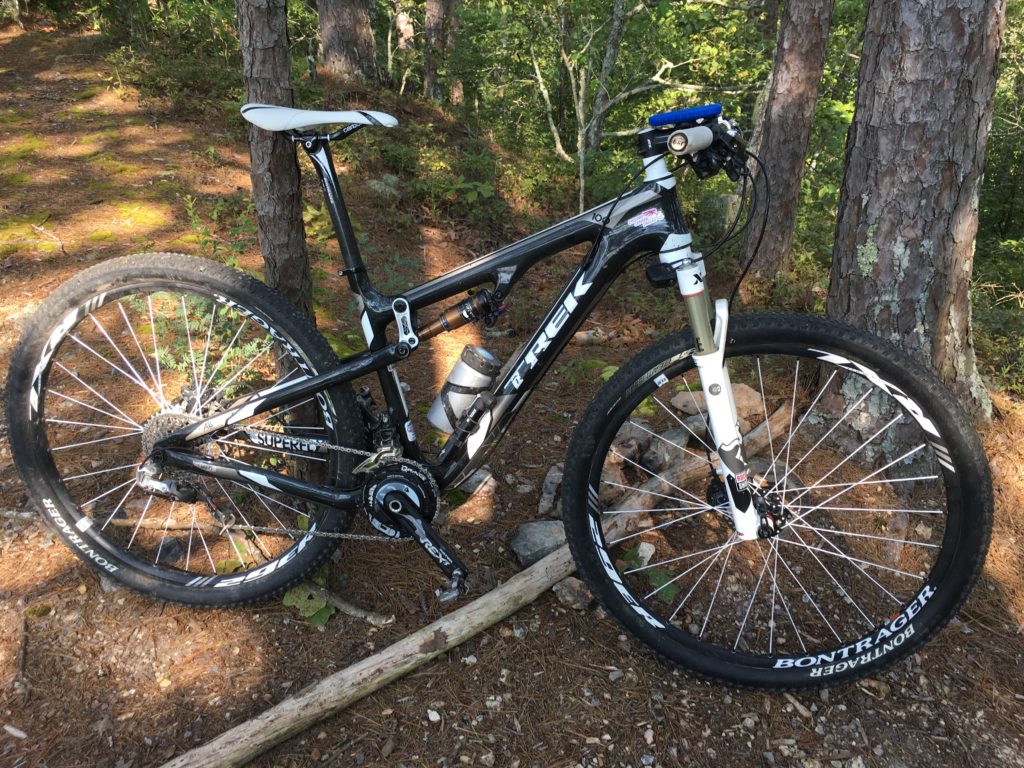 Coach Wharton’s Trek SuperFly with Power2max, Shockwiz, and Garmin 1000.[/caption]
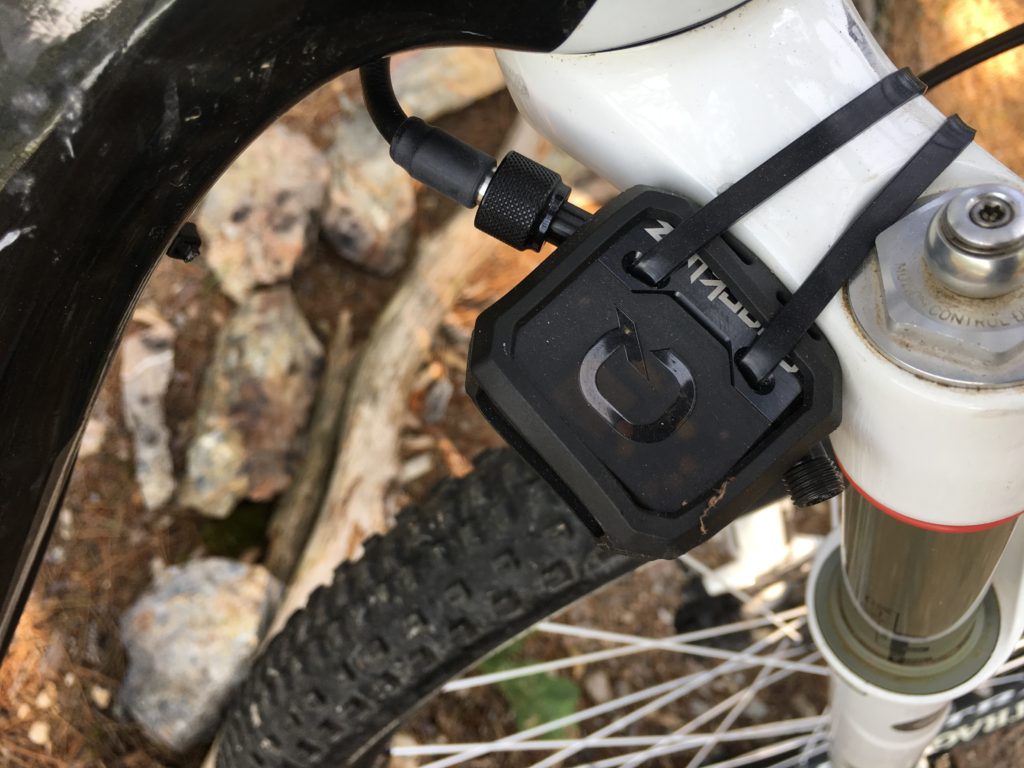 Shockwiz Suspension Tuner on a Front XC Sid Fork. Richard Wharton,[/caption]
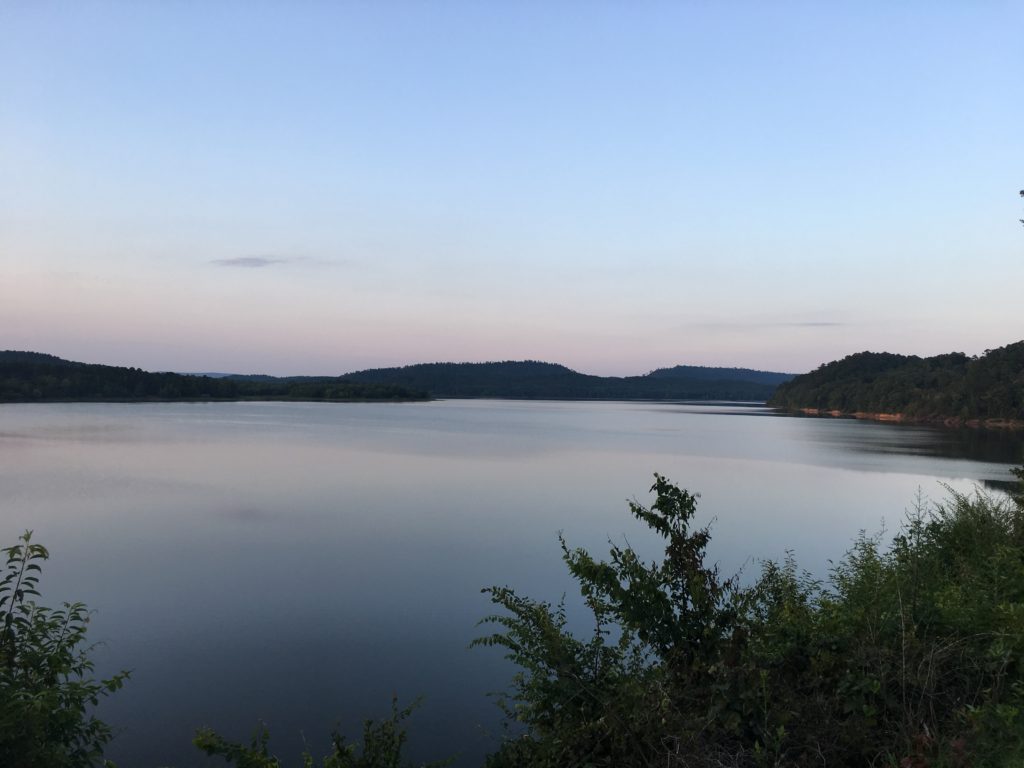 Wombly Trail and Ouachita Lake, Highway 27, Arkansas[/caption]
Read on (subscription required for this part) for a review of the initial recommendations…and step-by-step screencaps of how I worked through the process of getting the best suspension tune of my life.